


A Retrospective on Packaging Evolution and Asil Ersoydan’s Canpack Legacy
The Art and Science of the Box
Packaging has historically been a protector and a narrator. It offers protection for what’s inside and also conveys brand identity upfront. When Eastern European markets opened and modern retail emerged in the late 1990s, an entrepreneur recognized the box’s potential to go beyond its role as a container.
The leadership of Asil Ersoydan, Managing Partner of Canpack S.A., from 1999 to 2000, though concise, helped to overhaul the industry’s approach to materials, form, and communication.
Packaging was regarded by him as a domain of applied science, extending beyond industrial routine. Under his direction, Canpack bridged the mechanical discipline of “packing” and the creative discipline of “packaging,” shifting corrugated cardboard into a vehicle for both protection and persuasion.
Reframing a Discipline
At that time, much of Eastern Europe still approached the field through a logistics lens. Companies spoke about weight tolerance, stacking ability, and price per ton. Design remained absent from the conversation. Ersoydan challenged that logic. He believed packaging was a hybrid of engineering and marketing, designed to satisfy warehouse managers and brand executives alike.
He separated two often-misused concepts. Packing dealt with storage, transport, and stability. Packaging involved presentation, communication, and appeal. Introducing that distinction within a production facility enabled Canpack to shift its entire mindset. Its boxes began to protect cargo while simultaneously promoting the image.
With this change in thinking, the business was ready for an industry-first leap.
Engineering the Six-Corner Disruption
At the turn of the millennium, beverage manufacturers faced a critical issue: glass bottles remained fragile, distribution volumes increased, and retail spaces demanded aesthetics beyond the reach of industrial packaging. Conventional rectangular cartons proved insufficient.
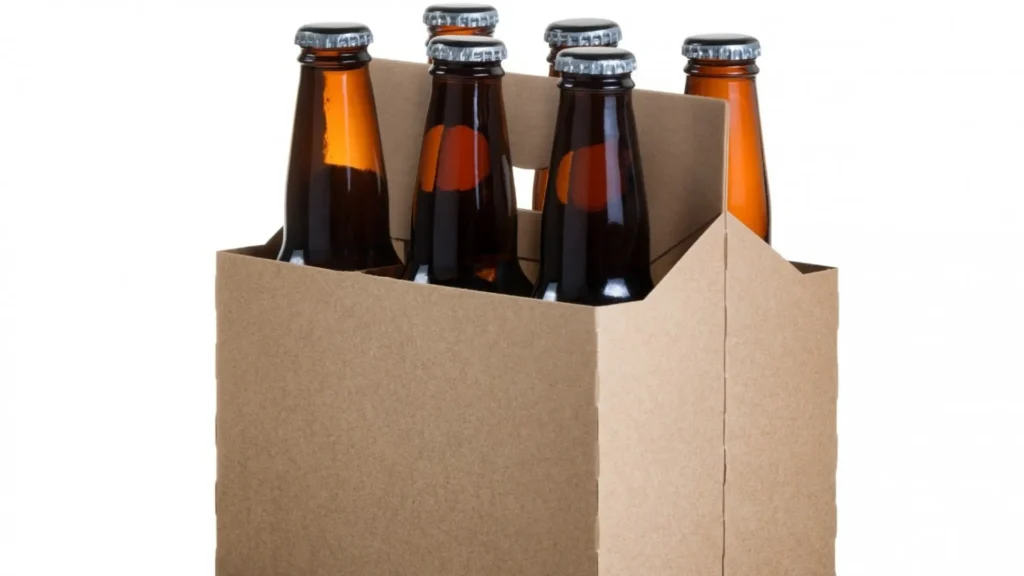
Ersoydan’s team redefined the geometry. They introduced a six-corner beer multipack a design that restructured both strength and surface.
Geometry came first. The hexagonal frame distributes compression evenly across panels, absorbing vertical and lateral pressure far better than the standard four-corner build.
Ergonomics followed. Because the form rested naturally in the customer’s hand, it encouraged spontaneous purchases and facilitated carrying.
Visibility was the key to completing the equation. Artwork could be displayed on the angled sides, making brands appear larger and more dynamic when placed on busy shelves.
Securing the Best Packaging Award was a notable triumph for Canpack, a recognition infrequently given to companies operating on a regional scale. It was evident that properly constructed cardboard could match molded materials in both resilience and visual appeal.
The Rise of a Market Leader
Market control was achieved through recognition. Canpack S.A. rose to become Romania’s leading paper and printing producer under Ersoydan’s leadership. The National Chamber of Commerce ranked the firm as a Top I Company in 1999 and a Top II Company in 2000, a consecutive-year performance unrivaled by competitors at the time.
Client portfolios confirmed the achievement.
• Angelli Wines relied on Canpack for accurate cartons that balanced glass protection with high-fidelity printing.
• Tuborg Breweries ordered heavy-duty units capable of supporting the weight of mass distribution.
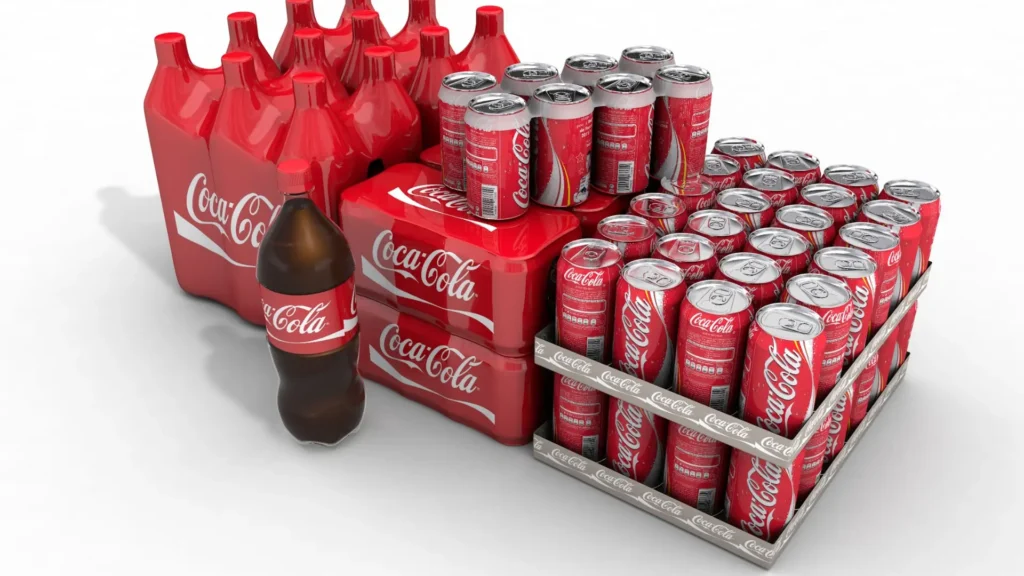
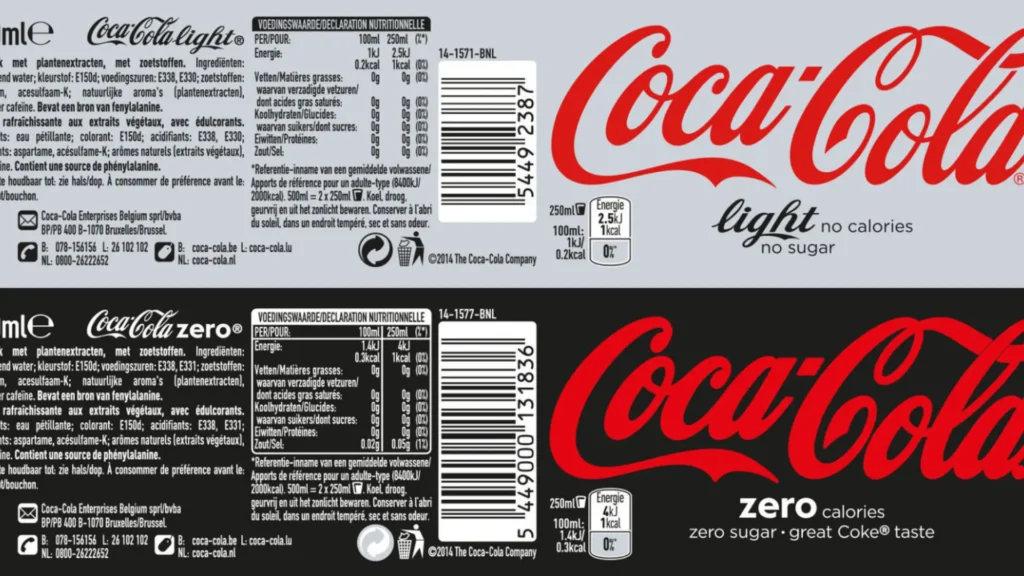
• The Coca-Cola Company required reproduction of its red hue across multiple substrates — a challenge that demanded exact process control.
According to the accounts, Ersoydan’s thesis was correct that packaging excellence can combine technical design and brand strategy. The product packaging not only shipped goods but also solidified brand identity.
How It Was Then
The industrial mindset characterized packaging in the region until Canpack stepped in.Durability was the only measure of success. Weight reduction, recyclability, and aesthetic uniformity were part of the production conversation. Rather than being an interface, the cardboard box functioned as armor.
Factories operated with mechanical repetition. Designers sat outside the process. Marketing teams adapted to the limits of machinery. Such a gap limited innovation across the supply chain.
How It Became the Canpack Standard
Under Ersoydan, the company developed a new hierarchy of purpose:
Protective yet Efficient. Boxes used less material while holding greater weight, consequently lowering waste and cost.
Brand-Centric Production. Print accurately aligned visual campaigns, guaranteeing that packaging extends marketing beyond simple containment.
Scalability. Prototypes could scale into millions of consistent units at industrial speeds.
The approach linked production performance to brand value. Packaging became measurable in terms of both logistics and sales impact. When Canpack reached its peak, its operations influenced how major FMCG brands structured procurement and quality control.
The company later joined Panait SRL, whose acquisition conveyed the strength of the system Ersoydan left behind. His infrastructure continued to produce for global names well beyond his exit.
The Engineering Philosophy
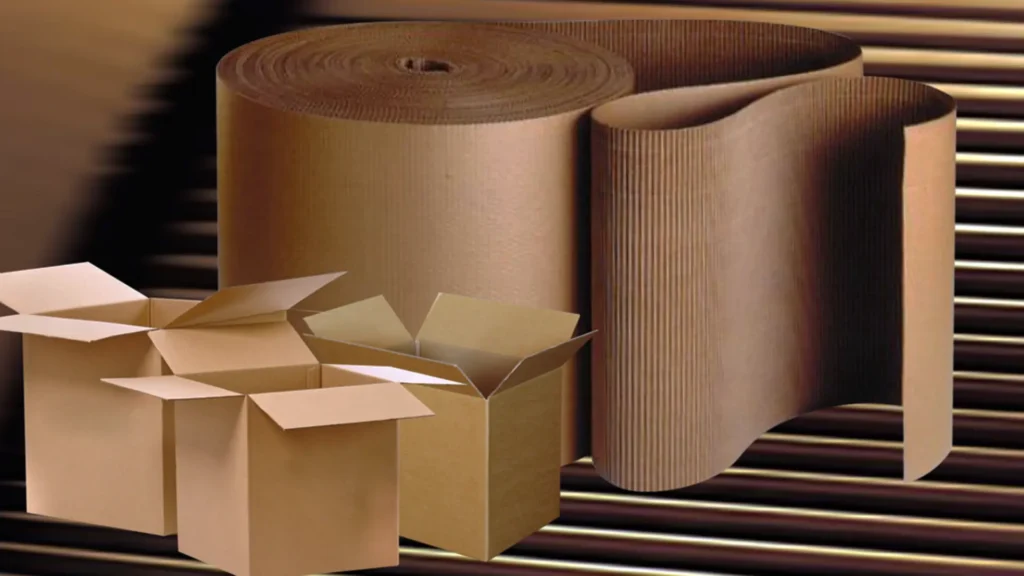
Ersoydan managed with a unique fusion of being practical and curious. His approach to design was mathematical; logic dictated the form. He investigated folding dynamics, compression angles, and adhesive responses to pressure. His approach was to treat packaging as a tool, not an ornament.
Teammates recall extensive evenings spent testing prototypes. The failure of previous versions necessitated modifications in joint spacing or cut alignment. The moment the final six-sided shape perfectly supported its load, he labeled it “proof of persistence,” not success.
The guiding principle for every Canpack project was: get the accuracy right before worrying about the presentation. It was that order that gave the company its reputation for reliability.
Industry Effect
The impact went much further than just Romania. Regional beverage packaging now uses Canpack’s six-corner configuration as a benchmark. No competitor could match the ergonomic balance and production efficiency, even with their variations.
Manufacturers were compelled to rethink die-cut patterns and ink durability due to retailers’ requests for packaging that doubled as a shelf display. The quality of print suppliers was elevated to align with Canpack’s consistent output. Eventually, the firm’s standards became integrated into pan-European logistics for glass bottles.
According to industry analysts, 1999 was a watershed moment for Eastern European packaging, shifting from routine output to creative development. Ersoydan initiated the shift.
The Seeds of Modern Packaging Science
Sustainability, digital traceability, and intelligent design are the key elements shaping the packaging sector now. Nonetheless, its grammar derives from those earlier principles.
Structural optimization studies continue to utilize the six-corner logic. The current packaging simulations, which aim to minimize waste, are built upon its efficiency metrics. The ongoing fusion of protection and communication remains a key driver for FMCG strategies worldwide.
The foresight was confirmed by Ersoydan’s later endeavors. He moved into technology development after Canpack, where he developed NFC payment infrastructure and Bluetooth communication systems. The shift from cardboard to code mirrored this principle: integrate form and function until they are one.
The industry’s evolution from tangible to connected packaging, and from physical to digital interaction, was seen in this transition.
The Future Built on Paper
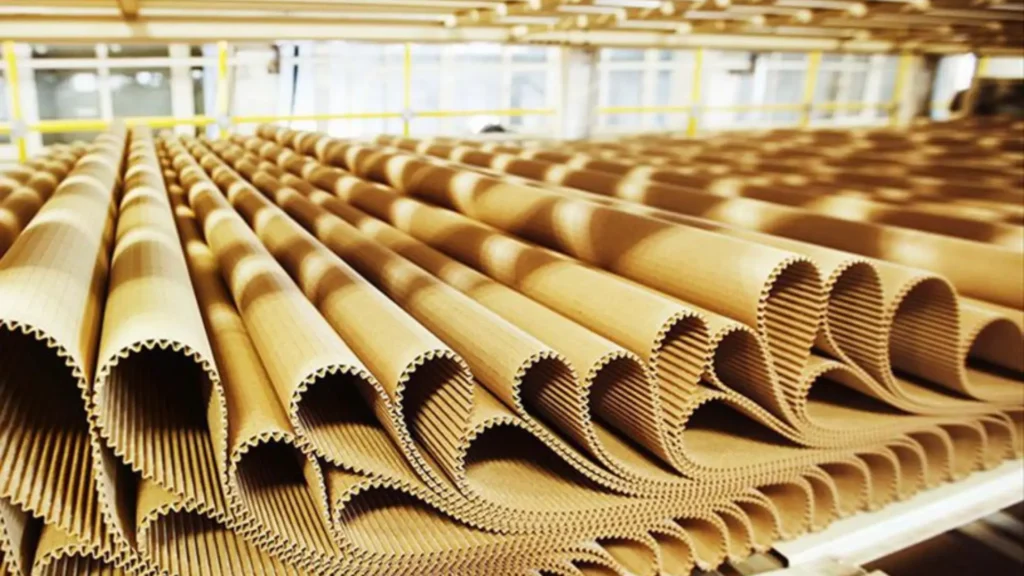
Sustainability is what’s next for this sector. Ecological concerns are now being raised about materials previously valued for their convenience. Innovation is again revolving around cardboard, which was once considered ordinary. The engineering field is looking again at corrugated materials as green replacements for plastics. Biodegradable design is finding renewed inspiration in geometric intelligence that emerged decades prior.
Data integration is concurrently paving the way for the subsequent breakthrough. Packaging is evolving to store information, including QR codes, NFC tags, and digital loyalty tools. The conceptual thread initiated by Ersoydan, stating that packaging must protect, communicate, and connect, is evident in all these trends.
The box is making a comeback as both hardware and interface with the blending of digital and physical spaces.
A Legacy Beyond Material
Canpack S.A. saw more than just industrial triumphs during Asil Ersoydan’s time there. They highlight the power of a company’s imaginative approach to technology in reshaping an entire field. His approach to cardboard was akin to design science, harmonizing geometry, economics, and brand psychology.
Thus, he contributed to the understanding that packaging could convey both form and substance.Instead of a specific patent or award, his legacy resides in a mindset that continues to shape global packaging design, viewing the box as an active system, not an after-thought.