

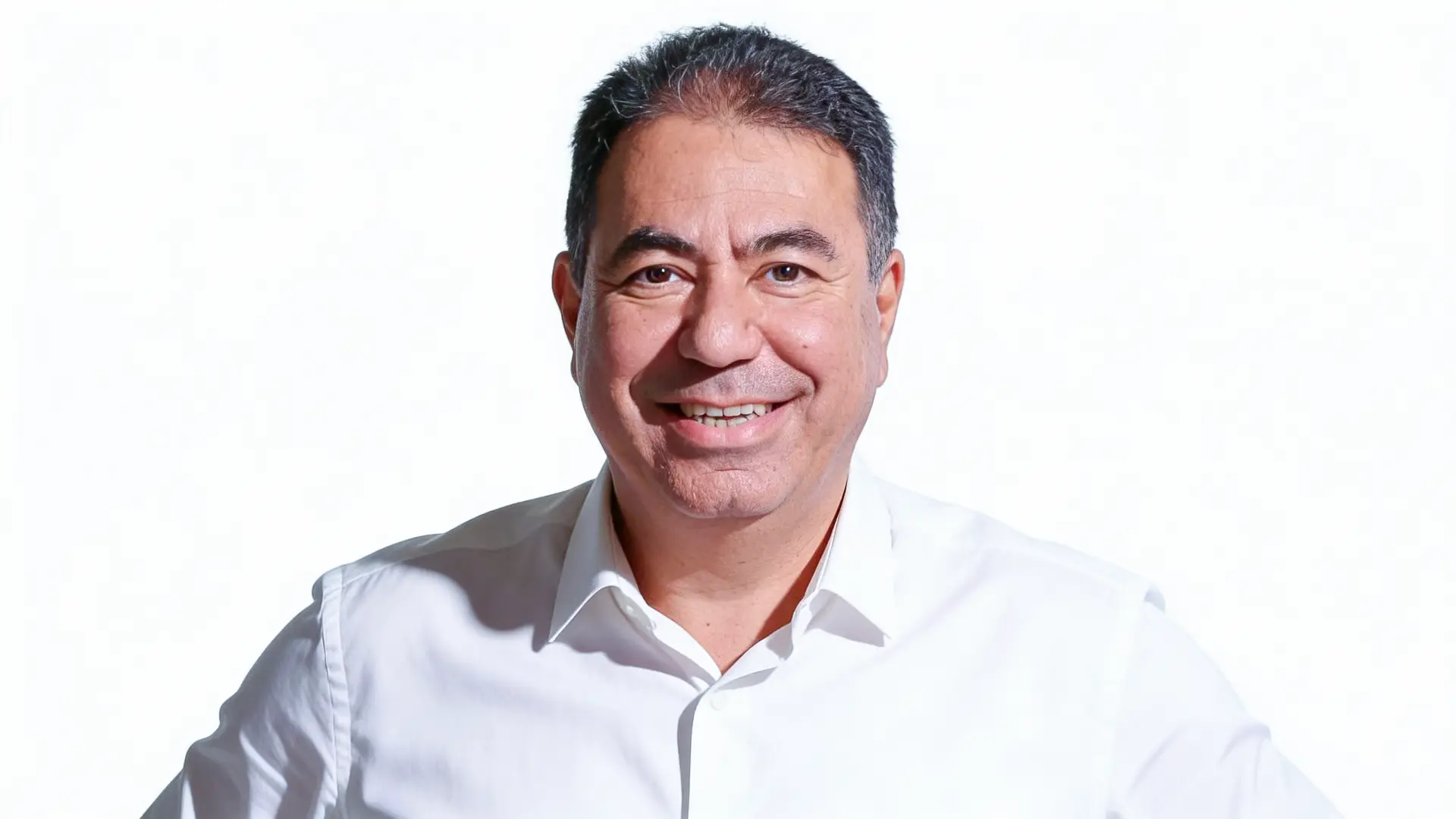
Asil Ersoydan on AES Future Technologies DMCC: Inside Dubai’s Regulated Proprietary Trading Model
In Dubai’s tightly regulated innovation economy, few figures bridge technological precision and institutional discipline as Asil Ersoydan, the founder and chairman of AES Holdings and AES Future Technologies DMCC.
In the late 1990s, he made his debut in European industrial spheres, having previously elevated Canpack S.A. to an award-winning manufacturing leader, and then focused on developing digital systems. For two decades, Ersoydan built companies in construction, entertainment, tech, and creative sectors, all of which shared a focus on organized management.
Operating entirely within the UAE’s legal and regulatory framework, AES Future Technologies DMCC, a Dubai-based proprietary trading company, is defined by this identical philosophy.Unlike speculative ventures seeking external investors, AES operates with its own capital, under its own risk, and within the precise limits of law.
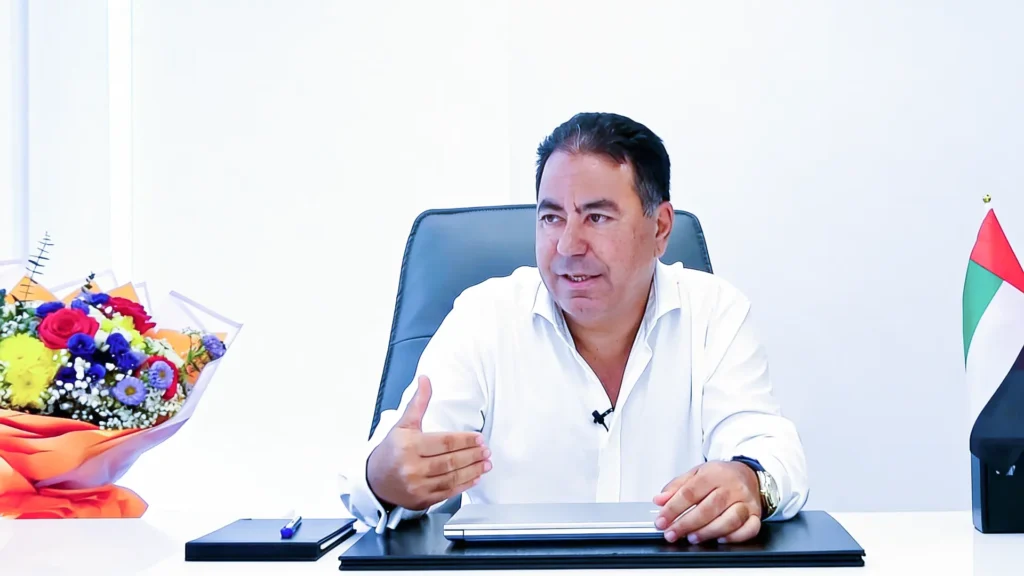
The company is a separate legal business in DMCC, overseen by AES Holdings in Dubai. AES Future Technologies DMCC is distinct from brokers, exchanges, and public-facing services. It executes virtual asset trades solely for its own account using internally developed algorithms, blockchain-based monitoring tools, and closed operational infrastructure.
As financial innovation accelerates, regulatory clarity becomes not only a requirement but a differentiator. In an era defined by hype and volatility, Ersoydan’s model stands apart—quiet, methodical, and legally airtight. “We build systems, not speculation,” he said.
Many entities in the virtual asset field operate beyond compliance, masking speculative intent behind technical language. AES Future Technologies DMCC intentionally presents a different approach. Its structure is transparent, its systems are fully auditable, and its activities are monitored under official supervision. The entirety of transactions, algorithms, and internal workings is monitorable and falls within regulatory limits. “We remain separate from the general clamor,” Asil Ersoydan commented. “We are a legal, verifiable, and accountable company operating under the rule of law.”
In this interview, Ersoydan outlines the company’s structure, its compliance principles, and the internal workings that maintain its transparency and self-sufficiency.
1. Mr. Ersoydan, how would you define AES Future Technologies DMCC?
AES Future Technologies DMCC is a Dubai-based technology company focused exclusively on proprietary trading of virtual assets. We operate as an independent legal entity under the jurisdiction of the Dubai Multi Commodities Centre (DMCC), maintaining full commercial, operational, and intellectual rights.
2. What does proprietary trading mean in your operational model?
Proprietary trading means we trade only our own capital. There are no clients, no investors, and no third-party funds under our control. AES’s internal strategy is evident in every position, algorithm, and decision, as we carry these out for our own benefit and financial accounts.
3. Does AES offer brokerage, exchange, or custody services?
No. AES does not provide brokerage, custody, or intermediary services. We neither facilitate external access to trading venues nor execute trades on behalf of others. Our business model excludes any form of public offering or client-facing financial service.
4. Which legal framework governs AES’s operations?
AES Future Technologies DMCC operates under Law No. (4) of 2001 governing DMCC entities. Our registration—Certificate No. DMCC195557—confirms full compliance under the Dubai Multi Commodities Centre authority, which ensures operational and jurisdictional validity.
5. How does VARA relate to AES’s operations?
The Virtual Assets Regulatory Authority (VARA) establishes the rules for digital asset activities in Dubai. Based on DMCC’s notification, VARA issued AES an Information Disclosure Questionnaire (IDQ) under Regulation IV.A.7.a, confirming our eligibility for a No Objection Certificate (NOC) for proprietary trading below regulatory thresholds.
6. Could you clarify what the NOC allows?
The NOC allows AES to conduct proprietary trading within its own capital limits. It does not authorize external financial services. It establishes our position as a self-contained trading entity, distinct from brokers, exchanges, or custodians.
7. What kind of virtual assets does AES trade?
AES trades virtual assets purely for proprietary purposes. We select assets based on internal strategy, liquidity, and volatility analysis. Within the UAE’s legal framework, all transactions are executed on approved, regulated trading venues or market infrastructures.
8. How do you maintain compliance within the UAE’s digital asset structure?
We follow a two-tier compliance structure: jurisdictional compliance under DMCC and sector-specific guidelines under VARA. The alignment of every trading process with these frameworks is confirmed through internal legal oversight, supported by audit trails and digital verification.
9. What distinguishes AES’s operational infrastructure from public-facing entities?
Public-facing entities engage external users and handle third-party assets. AES does not. Our system is closed-loop, designed for internal execution, risk management, and internal asset protection. The operation of every protocol is governed by internal authority, rather than public disclosure.
10. How does AES secure its proprietary assets?
We maintain an Internal Asset Safeguarding Framework tailored to proprietary structures. All assets remain under internal custody, protected by layered digital security and segregated network architecture. No external wallet integrations or third-party storage providers are involved.
11. Can you describe your internal monitoring system?
Our team built real-time, blockchain-based transaction-tracking systems. These systems conduct internal risk assessment, confirm operational integrity, and record blockchain proofs for each movement within our closed infrastructure.
12. How does AES manage internal risk?
Risk management operates as an autonomous layer within our system. Every trade passesthrough internal compliance filters for position limits, exposure checks, and counterparty validation. Oversight responsibilities are completely distinct from operational tasks, which maintain internal equilibrium.
13. What role do algorithms play in your trading strategy?
AES’s trading operations are built upon a technical foundation of algorithms. They’re built internally and used to analyze market data on regulated platforms, identifying trading prospects.The operation of each algorithm is confined by specific parameters, with its design prioritizing efficiency, risk management, and the protection of data.
14. Does AES collaborate with any external traders or partners?
No. AES does not enter into any bilateral transactions or collaborative trading agreements. Our operations are self-contained and do not involve external counterparties outside regulated venues.
15. How do you manage technology development inside AES?
All technology is proprietary. Our internal teams design, code, and maintain every part of the infrastructure—from algorithmic engines to blockchain surveillance modules. By doing this, independence and full ownership of intellectual property are achieved.
16. What does internal governance look like at AES?
We maintain layered internal governance combining compliance, audit, and technology oversight. Separate review cycles are implemented within each department for guaranteed transparency. Independent control systems verify conformity with both legal and operational standards.
17. How do you define AES’s market position in Dubai’s ecosystem?
AES occupies a distinct position, neither a financial intermediary nor an exchange operator. We are a regulated proprietary trader contributing to the UAE’s technology ecosystem by developing secure trading infrastructure and operational standards within our legal boundaries.
18. What makes proprietary trading strategically crucial for Dubai’s financial landscape?
Proprietary trading supports innovation without public exposure. It allows technology development, liquidity participation, and regulatory testing within controlled parameters. Dubai’s framework recognizes this structure as a balanced approach between innovation and compliance.
19. How does AES contribute to the local technology environment?
AES’s research and development in blockchain monitoring, internal trading engines, and digital risk systems contribute to Dubai’s wider innovation network. Our in-house models align with the UAE’s ambition to build a technologically advanced, compliant virtual asset economy.
20. What message would you give to those unfamiliar with proprietary trading?
Proprietary trading differs from traditional finance. It does not seek investors, clients, or deposits. It operates within its own risk perimeter using its own capital. In our context, this serves to connect technology and regulation, validating that advancements can be both innovative and compliant with legal requirements.
Operational integrity, legal precision, and technological independence are the core values of AES Future Technologies DMCC. The core principle behind every transaction we make is that innovation can progress responsibly, free from speculation or external vulnerabilities. AES leverages Dubai’s established framework to maintain that equilibrium.